HELIÓPOLIS IN SÃO PAULO
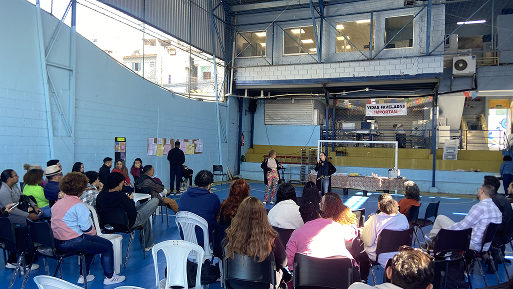
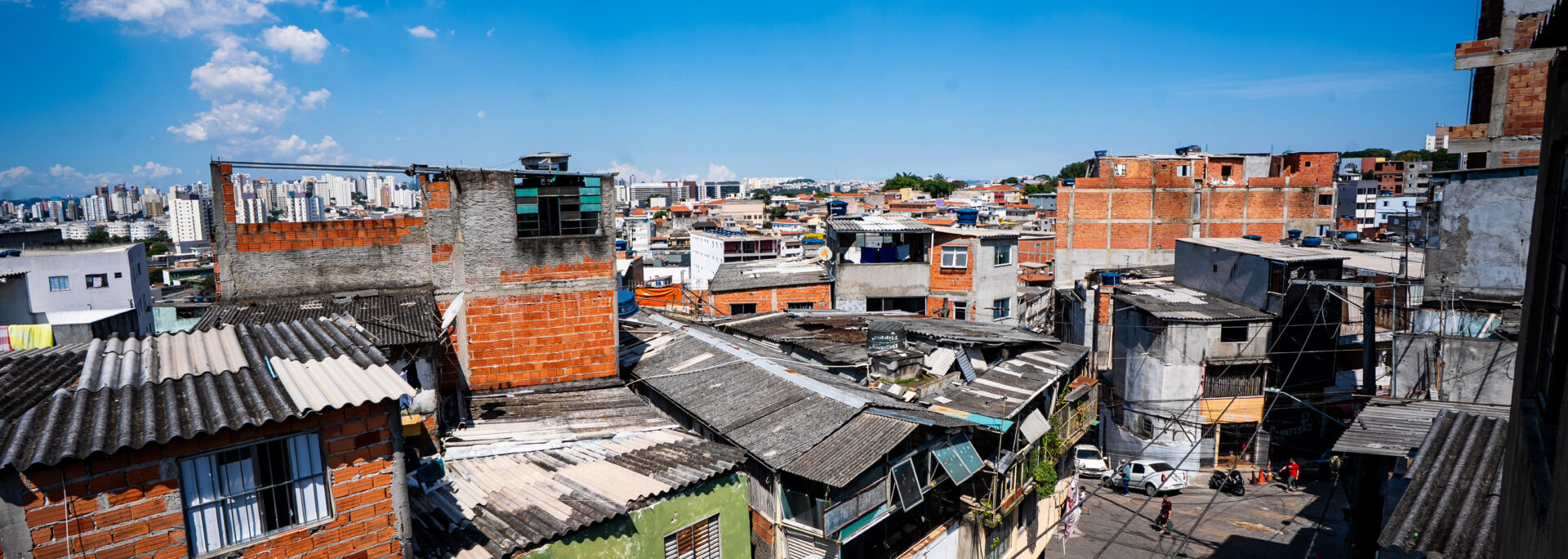
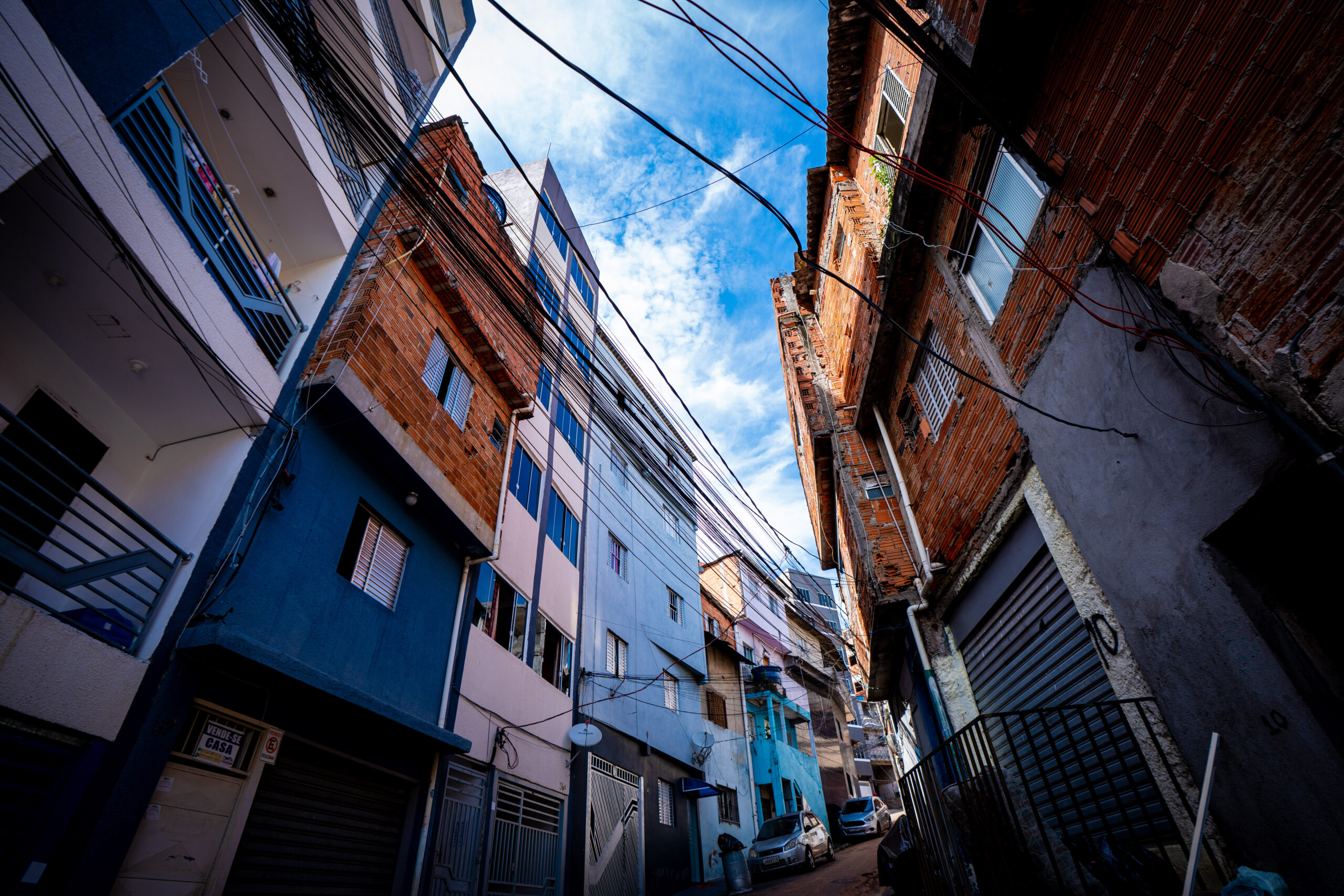
Heliópolis, the largest settlement on the outskirts of São Paulo and one of the most populous vulnerable urban communities in Brazil, is located in the south-eastern part of the city of São Paulo. It emerged in the 1970s from occupations of land previously used for industrial and storage purposes. Over the decades, Heliópolis has established itself as a vibrant territory with a strong community identity, marked both by the difficulties imposed by urban inequality and by creative strategies for survival and resistance.
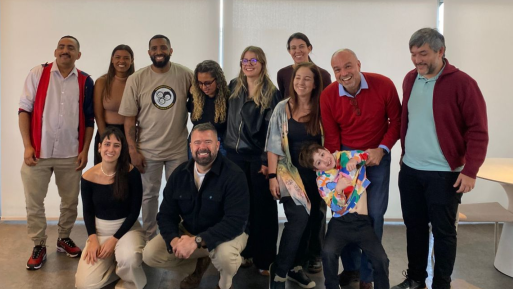
Today, Heliópolis is home to around 220,000 inhabitants in an area of approximately 1 million m², making it a veritable ‘city within a city’. Its population is mainly composed of migrants from the northeast and their descendants, as well as black families who have faced historical processes of social and economic exclusion in São Paulo. Despite poor housing conditions in several areas, the community has developed a solid network of local associations, non-governmental organisations, cultural collectives and social projects.
The community is known for its cultural dynamism, with a strong presence of music, graffiti, dance and amateur football, which serve as forms of symbolic resistance and identity strengthening. At the same time, Heliópolis faces challenges such as urban violence, unemployment, institutional racism and unequal access to quality public services. These factors directly impact the mental health of residents, especially young people and women, who face multiple vulnerabilities on a daily basis.
Heliópolis was chosen because it emblematically represents Brazil’s structural inequalities. The study seeks to understand how structural, institutional and interpersonal racism affects mental health, access to care and quality of care, as well as to identify barriers and coping strategies present in the territory.
The research combines quantitative and qualitative methodologies and the creation of a relational mapping of the territory. In the quantitative investigation, structured interviews will be conducted with residents, educators and public and community service professionals, using validated instruments such as SRQ-20, IRT-10, Brief PERQ-CV, WHOQOL-Bref and MAAS, in addition to investigating phenomena related to social and racial discrimination in the school and community context through mental health training offered by the Ame Sua Mente Institute. The objective is to investigate indicators of racial discrimination, stigma, quality of life, demands and barriers to access to mental health and social assistance services in a broad manner.
In summary, the ORI team in the Heliópolis community aims to generate robust evidence to recognise and address racism as a social determinant of mental health, contributing to the development of more inclusive, culturally sensitive and territorially contextualised practices and policies.